Naked and spectacular

Total pageviews

2018-07-24

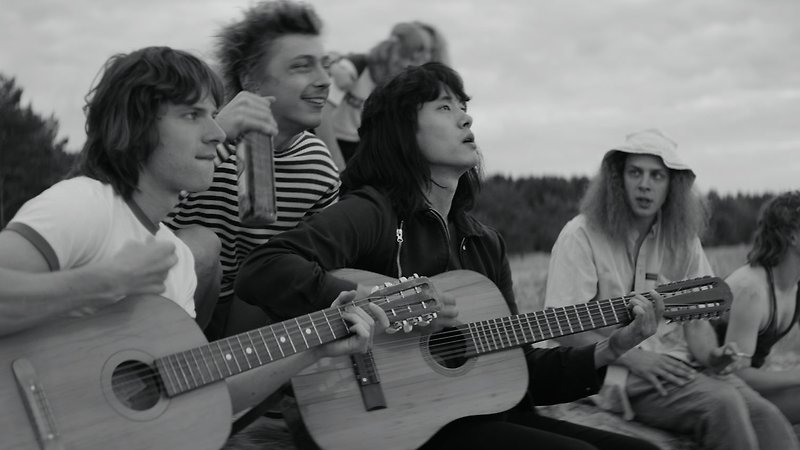
Leto [2018] by Kirill Serebrennikov

Leto (image 1)

LETO is about the surprising influence of UK and US punk and rock music on a scene of young Soviet musicians. Living under the oppressive watch of the USSR, but deeply passionate about the expressive possibilities of music, a group of charming young Russians, revolving around a rock music club that requires government appointed bureaucrats to approve all lyrics, manage to live the lives they want to live, slipping through the cracks and making great music; often in fantasy segments of defying authority that turn into musicals. The film goes down very easily, especially if you're into the music, but if only because of the pleasure of seeing lives lived well in difficult circumstances.

Strangely, the cinema was almost empty. Are there any fans out there of T-Rex, Lou Reed, David Bowie or Blondie? Or fans of Hedwig and the Angry Inch, another film about punk rock's influence beyond the iron curtain? Or fans of Once, that sweet fictional film about real musicians making music together? Or just good Russian cinema? (I'm in the latter boat.)

Plays again in Auckland Friday 27 July and Sunday 5 August and continues around the country.

2018-07-22

Maui's Hook [2018] by Paora Te Oti Takarangi Joseph

Māui’s Hook (image 3)

Maui's Hook is neither a documentary nor a drama, though it has elements of both.  In essence it is a conversation, and its intention is to provoke further conversation.  Suicide is epidemic in Aotearoa and it can damage families by sending shock waves through everyone involved.  The film is clear that it does not have all the answers, but there is one thing it can do: break the silence.  People don't talk about suicide because of shame and anger, but, as this film displays, talking openly with your loved ones is the first step towards healing from that trauma.

In the film, a group of whanau personally affected by suicide in their families embark on a hikoi together, a tour of marae from Taranaki, Whanganui, Rotorua, and Whangarei to Cape Reinga, to set the spirits free.  Meanwhile, a despairing young man contemplates suicide, without the support he needs.  Whanau are interviewed together as a group, and in one case this is the first time they have talked together about the suicide.

Aotearoa not only has the highest youth suicide rate in the world, but suicide is primary cause of death for Kiwis between ages 18-24.  The reasons for this are beyond the scope of the film, but it does make sense of one important element: the support of family and the openness to talk about what we are going through makes a significant difference to those affected by suicide who might be feeling isolated.

Hunger [1966] by Henning Carlsen

HUNGER is like a Charlie Chaplin film slowly descending into disconcerting disassociated distress. If you finds the predicament of the protagonist funny early, it may sink, along with any hope that he will raise himself from his poverty and alienation. 

The streets of 1890 Christiania are depicted as busy with sympathetic but confused onlookers to protag's increasingly unconvincing performance of proud and serious success. 

A bleak view of mental illness. 

Our New President [2018] by Maxim Pozdorovkin

Our New President (image 2)

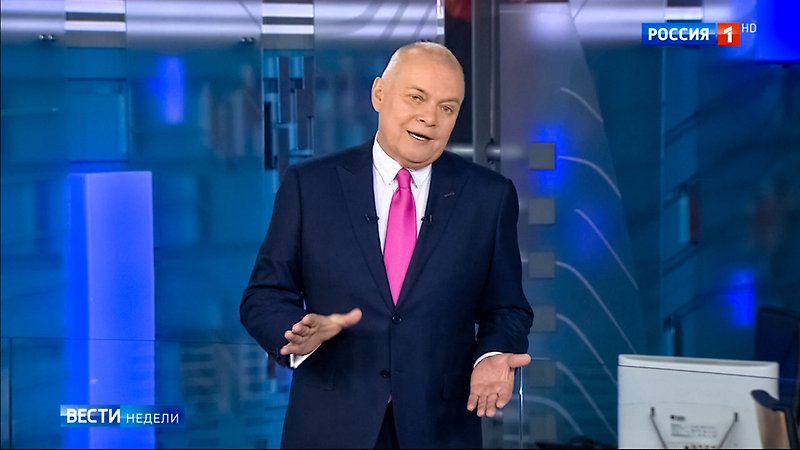
OUR NEW PRESIDENT is satire as collage. We are now in an age when global politics is so ludicrous and out of control that satire has become superfluous. The filmmaker needs merely to compile a sequence of the regime's own propaganda and it reveals itself for the bright, funny, corrupt and manipulative charade that it is. 

As the film shows, news is also superfluous. The masses don't need to be informed so they can make considered choices, they just need to know who the heroes are, and who the villains are.  It's not the petty facts that are important, but the larger truths.  We watch as the spectrum of Russian news channels are amalgamated into one government run organisation, Russia Today, and the most revealing moment in the film is certainly when the boss addresses his staff with an inspiring speech, “The time of detached, unbiased journalism is over… Editorial policy will be based on love of Russia.”  When a staff member asks for clarification he is accused of planning subversive activities.


It is all fairly funny and charming, as long as you don't consider the implication of such a successfully sterile bubble of propaganda.  It makes me wonder what it would look like if such a carefully constructed satirical collage was made of our own national news, what invisible ubiquitous propaganda we are exposed to.

Birds of Passage [2018] by Cristina Gallego, Ciro Guerra


Birds of Passage (image 1)

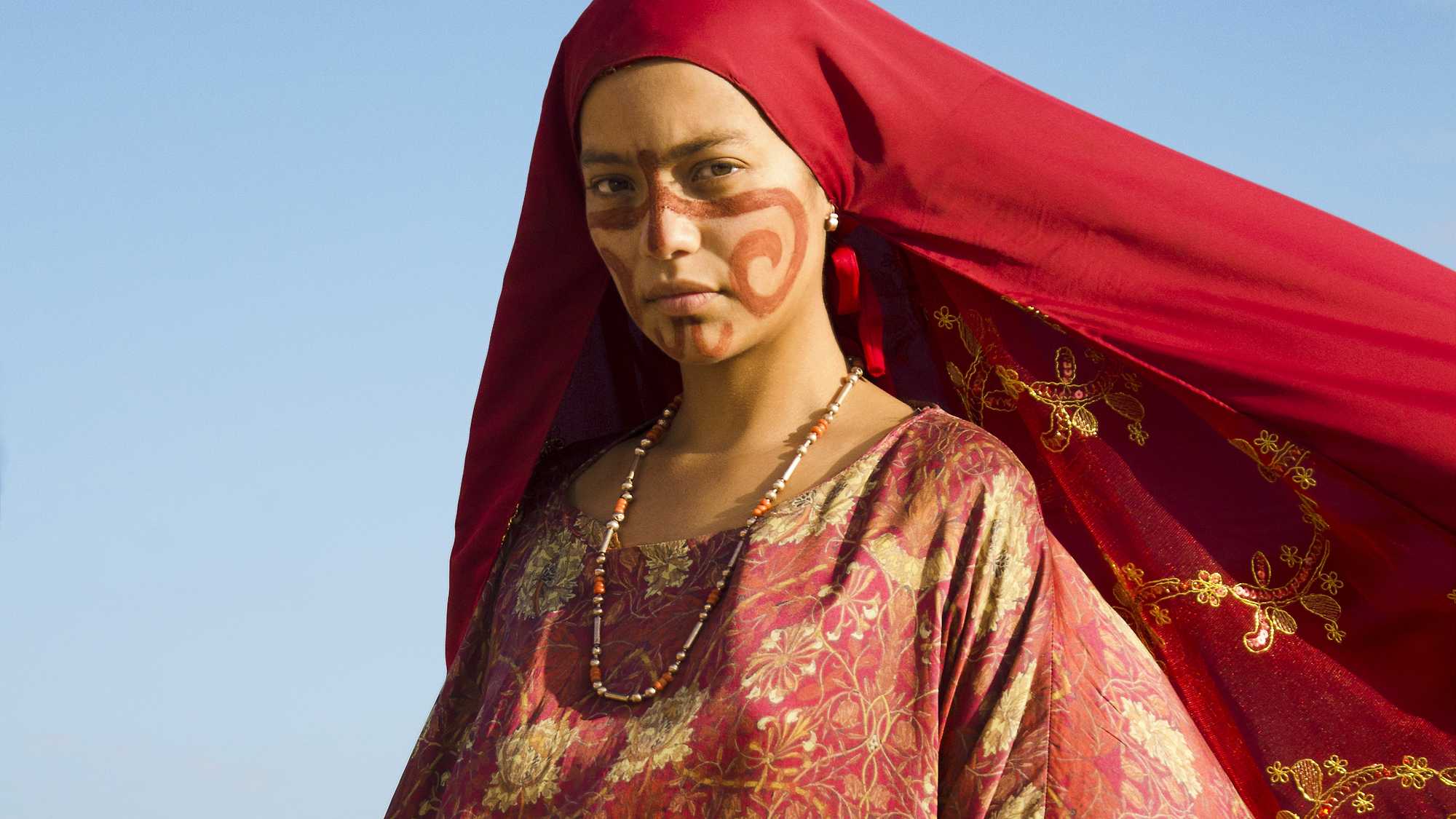
Opening night at the New Zealand International Film Festival in Auckland offered Birds of Passage, a complex juxtaposition of the traditional ways of the Wayuu people with the rising drug trade.

In Colombia 1968, in the land of the Wayuu people, the land of dust and goats, they have survived centuries of colonisation with their traditional culture intact.  The matriarch of the family speaks with the spirits through her dreams and protects her family with her precious talisman, which she always carries with her.  But a budding capitalist takes an interest in her daughter, they marry and the family is drawn into the full implications of large-scale trafficking of cannabis.

This film is a spectacular and ambitious encounter with a small world, that of the Wayuu people, encountering not the exploitation of the larger world, as one would expect, but simply its ideology and its practices: making as much money for your clan as possible, building your tiny empire and destroying all opposition.  The film is like an alegory for capitalism itself, the history of civilisation condensed down to the narrative of a single indigenous clan's "successfull" encounter with the ways of the modern world.

The world of the film is rich and reverberates on all levels.  It does not compromise for its genre, but rather the gangster genre itself is manipulated for the sake of the coherency of the film's world.  A magnificent, concise epic.

The Image Book [2018] by Jean-Luc Godard


Image result for the image book jean-luc godard

Less of a film, more of an anti-film, with a total commitment to not being entertaining and to disassembling our naïve and uncritical absorption of cinematic images. The pleasure of watching beautiful sequences of film is interrupted with over-exposure, sudden cuts and images being separated from their soundtracks. Coherency is interrupted with inexplicable juxtapositions, little continuity in even the commentary and even the English subtitles failing to translate all the spoken and textual French.

The first sound we receive from the filmmaker, before any image appears, is a loud and obnoxious high-pitched noise, somewhat of a “fuck you” to the audience. Was it just me, of did the commentary become more coherent a significant way through the film, when everyone who was going to walk out had already walked out in boredom or confusion? Romantic and chivalrous films and images of war are equally violated in the filmmaker's attempt to destroy both our sentimental attachment to the films and our ability to unconsciously suspend disbelief and allow the film to entertainingly indoctrinate us with its implicit ideology, either pernicious or superficial.

Jean-Luc Godard, whose moody black and white films from the 1960s are remember with such affection, is disgusted with what he sees in the world. I found, when I moved through my boredom and irritation and engaged with the language of the film, a satirical humour present only when the dissolution of the grammar and glamour of film is complete, exemplified by over-exposed old footage of can-can dancing that is the final and most sustained excerpt in the film.


Dog's Best Friend [2017] by Eryn Wilson

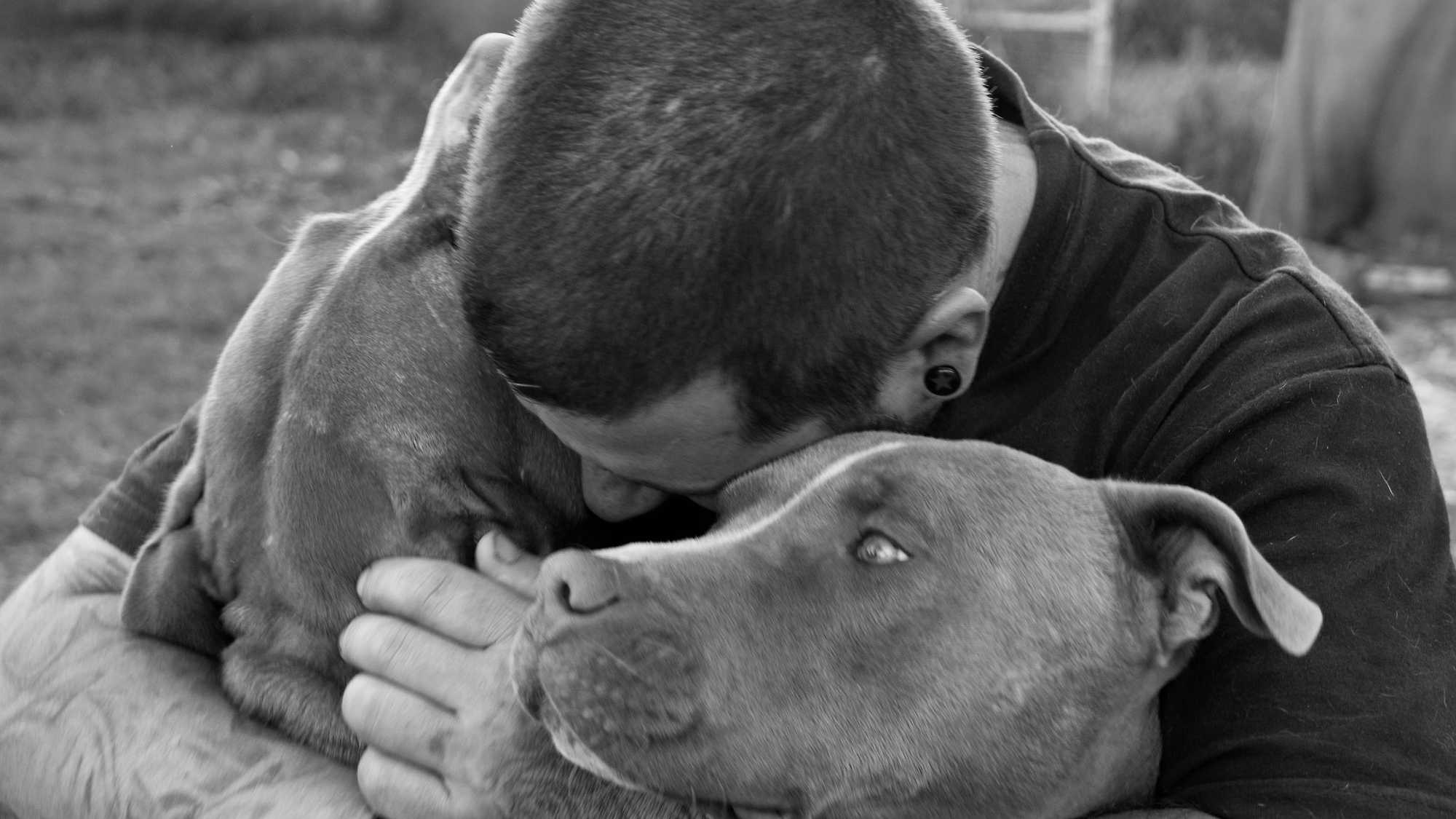
DOG'S BEST FRIEND is a very heartfelt portrait of a man's love for dogs, and his lifetime commitment to rehabilitating them and allowing them to rehabilitate him, and each other. 

Jacob and Jennah, with a baby on the way, have had traumatic pasts, but they have created a sanctuary of healing with many dogs. Jacob works tirelessly with the dogs for the betterment of every being involved. The love he shares with the canines is very moving and the methods he uses to rehabilitate them and keep them calm and happy is very instructive. 

A small but very genuine film radiant with love for dogs and their unflagging commitment to making us happy.

Dog's Best Friend screens at the New Zealand International Film Festival 23, 25 and 29 July.

Dog’s Best Friend (image 1)

2018-07-21

A Kid Like Jake [2018] by Silas Howard

A KID LIKE JAKE is an attempt to make a film about the complexities of raising a child in a world of changing expectations around gender expression, but it fails to see a world outside of its very narrow cultural lens.

The differences between each of the characters could easily be listed - she's stubborn, he's effete, etc - but they're otherwise identical - reasonable, caring, easily offended - apart from the moment we all get to enjoy cringing together at the guest character who is painfully inappropriate.

I can't help but wonder whether this film needs to exist, whether even within its narrow cultural paradigm it has much to say. It seems an opportunistic "issue" film that is located very much in the left brain, even as it deals with emotions, family and communication. I can't help but think it will age painfully.

2018-07-20

Mirai [2018] by Hosoda Mamoru


Mirai is a joyously emotional and colourfully imaginative immersion into the domestic life of a young boy after his baby sister is born. The complex and confusing experiences are vividly brought to life, with unconscious influences coalescing into elaborate dreams visualising deeply felt experiences.

Never have I seen the vividness of the inner and outer world of a small child so beautifully and exuberantly portrayed on screen.

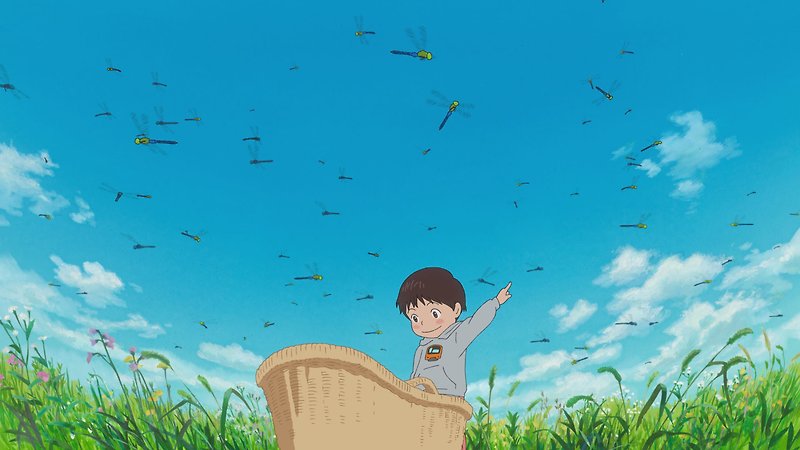
Four-year-old Kun's life is full of love and joy with his parents and his dog in their intimate home, designed by Kun's architect father.  Until his parents come home with their newborn baby.  Kun's jealousy and rebelliousness is portrayed entirely from his perspective, and is intensely felt by both Kun and the audience.  He helps make sense of the world he feels so strongly but does not understand by allowing his mind to move into elaborate dreams and fantasies, often involving members of his family in the future and the past; he rides a motorcycle with his great-grandfather as a young man and flies through the air with his baby sister as a teenage schoolgirl.

The family home is bursting with familial love, even when there is conflict, and the film is bursting with love of life, fully and deeply felt, and exhilaratingly expressed in beautifully animated images of colour and movement.

While the film does contain a few moments where Kun's imagination erupts into images that may scare some young children, the film really is a moving and delightful experience for children of all ages and anyone who remembers or doesn't remember the intensity of experience of small children.

MIRAI is at the 2018 New Zealand International Film Festival.

Mirai (image 5)
In a moment of love for his baby sister who often frustrates him, Kun passionately promises to show her the majestic beauty of their world.