Naked and spectacular

Total pageviews

Showing posts with label film festival. Show all posts

2023-07-27

Film Festival appetiser: Barbenheimer

We are very blessed to have the film festival we have here, especially in a city as small as Wellington. I have attended film festivals in Sydney and Melbourne where the audience are routinely lined up and herded like cattle. The Venice Film Festival is held on a campus resembling a military base. With all those A-list celebrities and red carpets there is high security, barriers everywhere and the movies are shown in gigantic buildings resembling aircraft hangars. The New Zealand International Film Festival remains friendly and personable despite being comparable in size to festivals in much bigger cities.


We have the benefit in this part of the world of not being important. This allows for much better programming, thanks to the programming of Sandra Reid and Michael McDonnell, as well as the ripples of the legacy of Bill Gosden's expansive and discerning taste. Other film festivals are burdened with the weight of so many mediocre “important” films. They want prestige, they want premieres, they want sponsorship. Most film festivals are largely funded by corporate and state sponsorship. These are expensive operations and these festivals have obligations to their sponsors. They will for sure show the great films, but they'll show a lot of boring stuff that looks good on paper. The sort of films that win Oscars, or at least want to. The 2022 London Film Festival I attended was flooded with so many Netflix films they had their own desk in the lobby. NZIFF is rare as a film festival that obtains about 90% of its running costs from ticket sales, and so its obligation is to its audience, as the programme reflects, curated for cinemagoers of diverse inclination, but certainly for the pleasure of its audience.


An element I am happy to see has survived from the Gosden years is the quality of the film notes. Most film festivals have brief descriptions of the plot or the filmmaker's previous work that resembles vapid and unconvincing advertising copy. Although certain phrases, such as "world class", that would not have survived the integrity and sincerity of Gosden's editorial eye, may have slipped through, the commitment remains to writing notes that describe the film in a way that will attract the audience that will appreciate it. Rather than blandly sell it to whoever is credulous, there is an attempt to describe the film's form and style as well as content, its context and its impact in a way that can actually help you know if it's the right film for you. Because we know that if it's not, there will surely be others that are.


And it goes a week longer than most other film festivals!  And the films play all day at all venues, not just evenings and weekends, catering not just for the unemployed amongst us, but those who take time off for the film festival.


Since having attended cinemas in countries around the world I have rediscovered how great a place to see a movie Wellington's Embassy Theatre is. The spectacular and elegant lobby is great, but I prefer the comfortable seats, huge screen and perfect sight-lines from every one of the 900 seats. Barbenheimer is my pre-film festival appetiser.


Barbie is Greta Gerwig and Noah Baumbach's attempt to make a blockbuster that is socially responsible; a story for tween girls that will appeal to everyone; set in a perfect world where things are complex and confusing; encouraging girls to be anything they want to be, but that it's okay to be ordinary; a movie about depression and anxiety that is fun and uppifting; a frothy celebration and a serious critique of an extremely successful and protected brand, totally approved by them. They attempt to subvert expectations while totally satisfying them and they pretty much succeed at all of this, which makes the film feel a bit too thinly spread. But they made a lot of money.


Nolan's directorial style remains as oppressive as usual. He attempts to beat his audience over the head with subtly for as long as he can get away with, in this case three hours.


2023-03-04

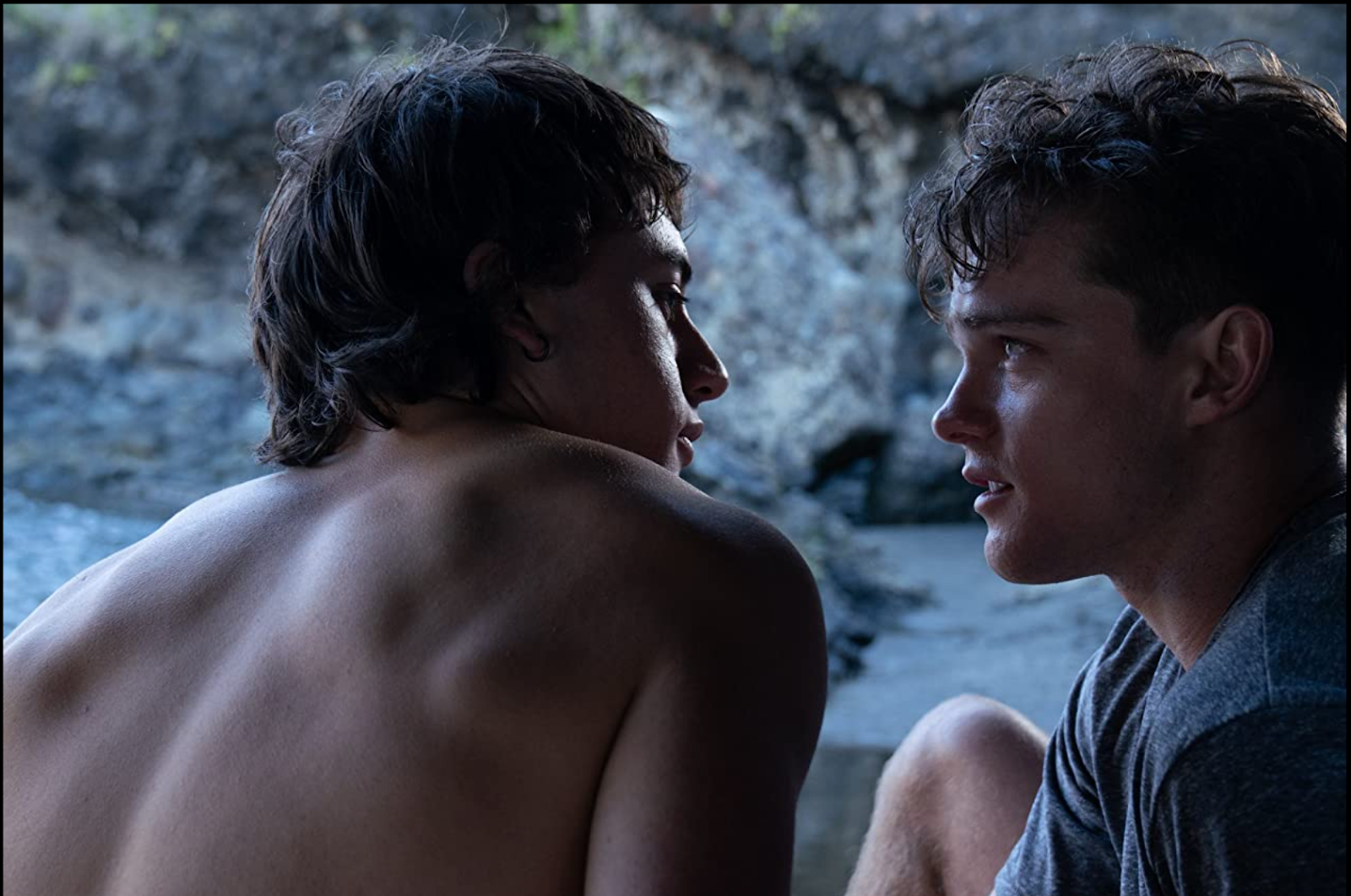
Punch (2022) Welby Ings, New Zealand -98m-

A young boxer in small town New Zealand trains hard under pressure from his alcoholic father and meets an unassimilated gay man living in a shack on the beach.


Tim Roth has top billing as an exhausted alcoholic with no energy left for anything in life apart from his son's boxing training, but his character definitely takes a backseat to the two distinctive and empathetic young men, played by Jordan Oosterhof and Conan Hayes. Oosterhof plays Jim, a boxer with a lean, muscular body and sensitive blue eyes, who passes in this shitty, uptight small town because he's an athlete and masculine. Hayes plays Whetu, who is a social reject from the start of the film; gay, out and Māori, with no known social connections. He is an artist and a sex worker and has carved a tiny world for himself in a beautifully decorated shack in the sand dunes of a big empty black-sand beach past a “no trespassing” sign.


The two characters are so vividly drawn and delicately performed that their coming together is real and meaningful, because we know why they reach for each other in such a place. Away from the highly constrictive social expectations of the town they have a little paradise in Whetu's shack, decorated with many odd artefacts found and created by him. It is through each of them seeking solitude in the wilderness of the beach that they meet, and it is here that they are able to spend time, nurture each other and find love.


The small town of Pīrau and the other characters that inhabit it are merely mise-en-scene for their relationship and the transformation it allows in each of them. It successfully colours in the background that contextualises their internal and external limitations and their expanding identities. A small town with no opportunities, a culture and people who are determined to aggressively limit each other. They are two young men who have allowed themselves to enjoy rich inner worlds, who have not been deadened by small town life and of course will inevitably escape.


Their first encounter is when Jim, passing with his straight mates, drive past Whetu and call out “faggot”. Whetu is already known as an outsider, but at that moment Jim is curious enough to turn around for another look. Their first meeting is on the beach. Jim often goes out there to train and this time, believing he is alone, he gets naked and runs through the dunes and the surf. Whetu is hanging out with his little dog and Jim is embarrassed and instinctively defensive. They tell each other to fuck off and Whetu shouts, “This is Māori land!” This remote empty beach is clearly a sanctuary of safety and self-expression for each of them, and they have invaded each other's space. Their next meeting, Whetu is weaving flax in the dunes when Jim gets stung by a jellyfish and screams for help. Whetu takes him to his little shack hidden in the dunes on a stream bed, pulls out the tentacles and rinses his stings with vinegar. Jim is very impressed with the tranquillity of the place and the care put into each of the strange objects that decorate it. To Whetu's surprise, Jim returns the next day and they discover a place of mutual sanctuary where they can connect away from the expectations and derision of the town.


This is the first feature film from Welby Ings, who has made various shorts. The two characters here are clearly enriched by the protagonists in his short films Sparrow (2016) and Boy (2004). Sparrow is about a sensitive and isolated boy, who wants to fly and never takes off his home-made wings, coming to terms with the macho images he's expected to live up to. Jim tells Whetu about how when he was a child he used to come to the dunes with his wings and try to fly. We briefly observe a spiritual trace of them discarded in the sand as Jim rediscovers his open-heartedness with Whetu. The protagonist of Boy is an isolated teenager who is scorned by the town, a sex worker who picks up men in the public toilet and who has a sanctuary in an abandoned warehouse where he creates strange and beautiful doll sculptures. Whetu is a sex worker who makes no effort to fit into the roles this small-minded town finds acceptable and who instead creates a solo world for himself with strange, beautiful sculptures. Having seen these shorts, both of which can be streamed for free, the lives of these characters are real outside of the events and timeline of the present film. Though they encounter each other at this pertinent moment when they're both ready for change, they have pasts that can only be hinted at, inner worlds that they can only attempt to express to each other, and futures outside of Pīrau in which they will create something totally different of themselves. We get a joyous and moving glimpse of this future at the end.


These shorts were also poetic in the sense that they didn't really work on a narrative level and though they hinted at the beautiful inner worlds of these strange isolated boys they remained somewhat unsatisfying. In Punch he has created a more conventional narrative film with satisfying character arcs, but retained the delicate, poetic hinting at rich inner worlds; Whetu drinking wine from a china teacup; Jim running naked through the dunes. The narrative takes breaks into moments of subjectivity, some beautiful imagery and a little too much use of distorting lenses. The gentle pacing of the protagonists discovering each other was engaging, though the ending was unfortunately abrupt and unresolved.


It is typical to cast pretty actors to play romantic leads, but here we find characters who we love because they are beautiful as complete humans. The love story refreshingly has nothing to do with perpetuating the romantic myth or attaining the higher state of a monogamous committed relationship. These two characters, so coherently woven into the world of this moving film, are merely two people who take the opportunity to open their hearts to each other before moving on with their lives.


2023-02-23

Mi vacío y yo [2022] Adrián Silvestre, Spain -98m-

My Emptiness and I


A young trans woman in Barcelona deals with her transition, dating and daily life.


The film has a straight-forward narrative style to the extent that it borders on documentary, though every scene burns with an authenticity that is entirely engaging. It is emotionally intense and yet naturalistic, confronting complex existential issues, yet never melodramatic. Nothing is played for pathos and yet I was entirely emotionally invested.


Written in collaboration with the protagonist, played by Raphaëlle Pérez, the film depicts the process of her being diagnosed with gender dysphoria, taking hormones, support group discussions with other trans people and the general emotion and confusion of transitioning. The joys and pains of dating and sex with men via an app are dealt with candidly. Finding authenticity is difficult when men are likely to have one of various reactions to her transness: shock, curiosity, fetishisation, uncertainty. She moves through these struggles neither as a victim nor a warrior, simply as a person confronting what is necessary in order to create the life she wants for herself.

2023-02-18

Of an Age (2022) Goran Stolevski, Australia

Melbourne, 1999. A young Serbian-Australian ballroom dancer on the verge of adulthood discovers a surprising connection with the calm older brother of his chaotic best friend.


A tightly focussed dramatic portrait that successfully reveals the protagonist's emotional state-of-being. Capturing that vivid moment at the end of high school where he has not had a chance to yet discover who he is, how he will live or even what life is really like for a queer boy who will inevitably have to find his own way in a world that offers no role-models. He is so used to being lonely that he is genuinely shocked to discover someone who is not only openly gay, but who he actually likes and can effortlessly connect with in a meaningful and genuine way. Though the connection is brief, the need behind it is deep and long-lasting. Ten years later, the tragedy is that his life has changed drastically but the need is the same and remains equally unfulfilled.


The film focuses on only three characters at two distinct moments to make the most of its limitations. One day in 1999 the two men meet in transitional moments for them both and find a feeling of stability together. One day in 2010 they meet again and the resonance of that brief meeting ten years earlier is felt very strongly. Though the best friend/sister who connects them is vividly drawn and enthusiastically performed, the social milieu of the characters swirls around them and the film wastes no time in cutting to its primary focus. The depth and subtlety of how this brief and genuine encounter plays out, and what it means for the protagonist, are conveyed in a naturalistic way that continues to resonate after the film is over.

Sublime (2022) Mariano Biasin, Argentina

 A teenage boy in Argentina practices with his rock band and falls in love with his best friend, struggling to tell him how he feels.


A film that has been described as “underplayed” but I would describe as undeveloped. Many scenes play out with no clear purpose, nothing is revealed of the characters and nothing is developed in the plot, which becomes quite frustrating. The aspect ratio is wide, though the camera holds claustrophobically close on the actors' faces or the backs of their heads, and the focus is shallow, suggesting an intimacy and interiority. However, even the protagonist, who takes up most of the screentime, we learn nothing about, what he is thinking or feeling, witnessing only his moody eyes and messy, black, curly fringe.


This is a film that wouldn't exist without the undiscriminating market of the international queer film festival. There is an endless array of films about cute teenage boys struggling with their sexuality. However the actors are usually older than the characters and we are privileged with a depth of insight into their external and internal worlds. Here the actors look like they're actually teenagers, they burp in each other's faces for laughs, cannot communicate their feelings and spend lots of time staring moodily at their phones. Rather than witnessing a penetrating artistic portrait, I felt like I was just hanging out with immature and inexpressive teenagers, which was not fun.


There is a genuine feeling to the milieu, but no depth to the characterisations. The authenticity is most evident in the band performances. The characters are clearly writing and rehearsing their own four-piece rock band, genuinely working hard and improving. There is no post-dubbing or conspicuously well-rehearsed performances. But like most newly-formed teen rock bands, they're not very good.


(Spoiler alert.) The film does not justifies the title, awkward being a more appropriate adjective. A more appropriate title would be Nothing Will Change, a phrase that is whispered in one of the only sublime moments, when the protagonist is dreaming of intimacy with his best friend and bandmate. It is indicative of his friend accepting him after the revelation of his attraction, but also an unfortunate admission that there is almost no development in the entire running time of the film. The only point of tension is whether or not he will admit his love, and there are many frustrating scenes in which he does not. When he finally does it is very underwhelming, though there is a certain poignancy to it not being a big deal.

2022-03-10

Tired of watching films? A 1990 Bill Gosden speech

I was recently reading an interview with the new director of the Sydney Film Festival where he was asked the question anyone in a similar position can expect to be asked about 1000 times a year.

Don't you get tired of watching films?

Not at all, he replied. What could be more fun? I watch four or five films in a day and I find it exhilarating. Wow, I thought, you can spot the new ones.

Confronted by an interviewer asking the same question I might attempt a similarly ingenious response, but I know that here I can go into much more detail. And because so many people have expressed an interest over the years in this enthralling subject, I've decided to fill my allotted space tonight by telling you how I see movies – and whether or not I get tired of them.

The first thing to point out is that I became used to being paid rather than paying to watch movies at an impressionable age. As a first-year university student I received $20 a fortnight to preview the movies coming to Dunedin and to write the occasional precocious, brilliant review. There can be little doubt I considered myself an arbiter of taste. Of course one of the tragedies of youth is that so much of what strikes you as fresh, bold, original, daring, even precocious and brilliant is actually being recycled by cynical hacks for the thirty-sixth time.

What I saw in movies twenty years ago was probably a good deal more than you'd know from reading what I wrote back then. Movies were mere pretexts for trying poses. “Attitude” wasn't such a recognised phenomenon back then, but a movie column in the student newspaper was the perfect vehicle for lots of it. The cool and lofty heights from which I admired Joseph Losey's The Go-Between (1971) and deplored Mel Brooks's farty Blazing Saddles (1974) collapsed beneath me when I came to consider the films that really moved me, like Cabaret (1972) or the great movies made in the early '70s by Sam Peckinpah. Writing about these I could only rave like a besotted fool or rail against those who couldn't recognise self-evident genius.

2018-08-10

Climax [2018] by Gaspar Noé

CLIMAX is a dance horror film about people destroying themselves that literally turns upside down. 

I'm not sure Climax is supposed to be entertainment, nor am I sure it's supposed to be art, which makes me wonder what it is. I guess it's for people who feel like they've seen it all and want something more, bigger, weirder, more perverse, more extreme, more original and at the same time confronting nothing that is uncomfortable, except our ability to absorb violence, distress, hysteria and self-harm.

It will certainly provoke debate, I suppose, like his films usually do, but whether that will be a valuable debate is doubtful, especially when there are much more significant, sophisticated, subtle and sensitive films that are not sensationalist but that are nonetheless confronting controversial themes, rooted in deep human feeling and integrity. This film seems embodied, with all that dance, sex and flesh, but really it is disembodied, disengaging, it pushes you away with its fear and repugnance of flesh, of intimate interactions. The bodies merely damage themselves and each other. 

However, the dance number at the beginning of the film is spectacular and full-on, a much more artful and involving demonstration of intensity and self-destruction than the ludicrous, literal and repugnant rest of the film.

Cold Water [1994] by Olivier Assayas

Cold Water is a film made as part of the French series Tous les garçons et les filles de leur âge, which required filmmakers to set their film in the year they turned 18 and to include a sequence of teens partying to the music of the day.

Olivier Assayas's is an evocative look back at being a teen in 1972 France, albeit from the perspective of a very peculiar and anti-social pair. She is in-and-out of psych wards and he is a potential terrorist. Their absolute disgust with the adults and the institutions they find themselves beneath is passionately performed, though somewhat out of touch with reality, as we can see their life skills and emotional maturity are severely lacking. 

But the film certainly captures that disgust, determination to individuate at all costs and isolation of being a 16-year-old in a world that has no place for them: certainly no child and not yet an adult.  An awkward period for anyone, here captured with passion and sympathy, awkwardness and aggression.

Peppered with the works of Allen Ginsberg, Leonard Cohen, Bob Dylan and Janis Joplin.

Capharnaüm [2018] by Nadine Labaki

Capharnaüm is a rich and moving immersion into the world of kids on the streets of Beirut, Lebanon.  It is also expert filmmaking and even those who are offended by its existence admit these are some of the best performances by young children in the history of cinema.  It is a miserable existence, but told without brutality or pathos.

Having become somewhat jaded by seeing 50 films in the preceding fortnight with the unmissable New Zealand International Film Festival, I was shocked into the silence by the immediacy and deep, intimate empathetic immersion into the life of Zain, a boy of about 12, whose parents have too many children without the resources, energy or enthusiasm to take care of them.  Zain is bitter and caustic in his speech and his eyes are weary and cynical, but he retains a love for his siblings, and when his parents invoke in him a particular unbearable disgust, he runs away to make his own life.  We follow him through the minutiae of his experience with total engagement and compassion, and Zain shows the same compassion himself, despite his precocious world-weariness.

Where else can you expect such intimate and empathetic access to such a world?


2018-08-03

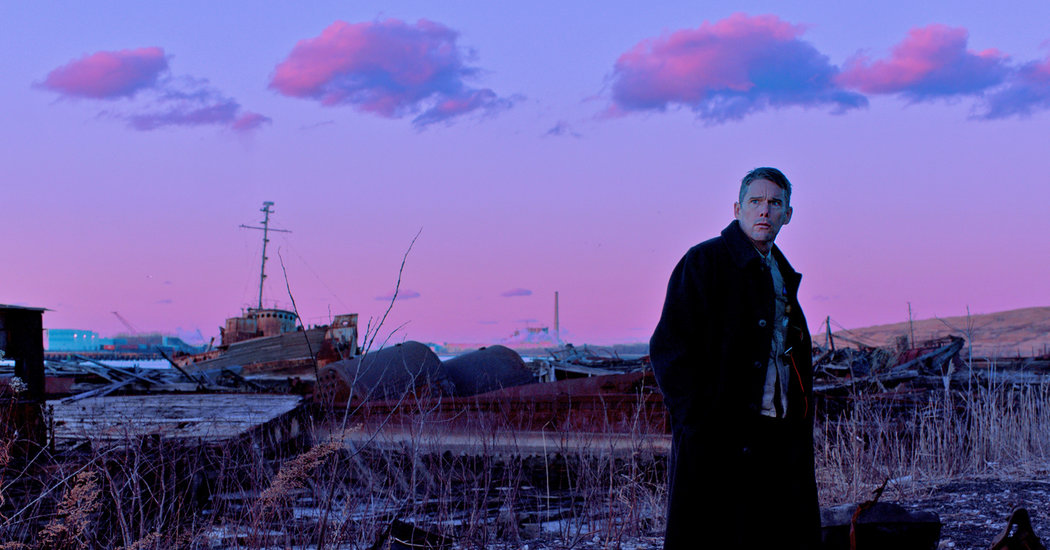
First Reformed [2017] by Paul Schrader

Image result for first reformed film

In 1976 Paul Schrader's script, made into the film Taxi Driver by Martin Scorsese, was released.  This was a powerful cinematic moment that reverberates into the present.  Last year, Lynne Ramsey's You Were Never Really Here covers similar ground; a broken isolated man uses extreme violence to liberate a child from sexual exploitation.  It was hailed by critics, particularly for Joaquin Phoenix's deserving performance, but for me it lacked truth.  It wanted to deal with the real stuff, the difficult stuff, like Taxi Driver had, or at least it wanted to give that impression.  It showed an unequivocal evil, child sex slavery, something that would justify the extreme violence perpetrated by the film's hero in the process of liberating a particular child.  But what was it really confronting?  The violence that perpetuates violence that justifies violence, a violent man damaged by violence who commits violence to stop violence.  Meanwhile, we the audience, who may not yet have been damaged by violence, are exposed to it.  To what end?  Is it artistically rooted, philosophically grounded, ethically justified?  Is this film really the modern installment of the true wake-up call that Taxi Driver delivered?  No, it is not.

In 2017, 40 years after Taxi Driver, Paul Schrader offers a film of equal weight, difficulty and integrity.  It may not have the same stylistic originality as Taxi Driver, but at its core it is the film's contemporary incarnation.  Ethan Hawke inhabits his character at least as fully as Robert De Niro did his.  He is Reverend Toller of First Reformed, 250 years old, a museum but not really any longer a church.  Abundant Life, with seating for 5000, is the local affiliated modern church, with a full congregation and corporate sponsorship.  Toller is asked by a woman to speak to her husband, an environmental activist overwhelmed with the destruction of the world and in despair at the prospects of the future, particularly about bringing a child into the world, as his wife is pregnant.  Toller finds the conversation very stimulating and in his own emptiness he takes on the man's vision, his disgust and his despair.

The delicate complexities of the situation are woven through the richly portrayed character of Reverend Toller, his internalisation of this despair and his response.  How does one choose to live in the world, engage with the world, having fully accepted that our culture is destroying the planet at a rapid rate.  Will God forgive us?  Or, more importantly, how do we choose to respond ourselves?  There is no prescription of course, there is no naive hope nor unrelenting despair offered, just the masterfully laid out texture of an intricate spread: what Toller sees, what he doesn't see, what is obvious, what is bewildering.  And how do we choose to respond?  With integrity?  What does that involve?  With denial?  What crutch will facilitate that?

In Taxi Driver we were presented with Travis Bickle's solution: kill all the people associated with this girl's sexual exploitation and take her out of the situation.  We saw this violence in graphic detail not to revel in it, not to be entertaining or give the film a gritty realism, but to see it for what it is.  If this is the solution, we need to look hard at it before we choose it.  You Were Never Really Here is an inferior film because it doesn't present the protagonist's response so dryly that we can see it for what it is, it presents it like a thriller, we are there with him, smashing skulls, saving the girl, being the hero, surprised by the plot twists along with him.  There is no philosophical complexity, no ethical integrity.  But in First Reformed we are presented with a situation - repugnant, complex, problematic - and although we have deep empathy for Toller and can relate to his anguish, we are not drawn into his psyche, we can see his strengths, we can see his faults.  We can see his thinking, we can see the solutions he has reached, we can map and trace his mistakes if we choose to.  We can contextualise his decisions.  And thus we have not an easy answer nor a nihilistic despair, but a complex tapestry, an invitation to engage, to think and feel, to make our own decisions; we have an extraordinary central performance and a masterful film.

2018-07-31

Orlando [1992] by Sally Potter

Orlando (image 4)

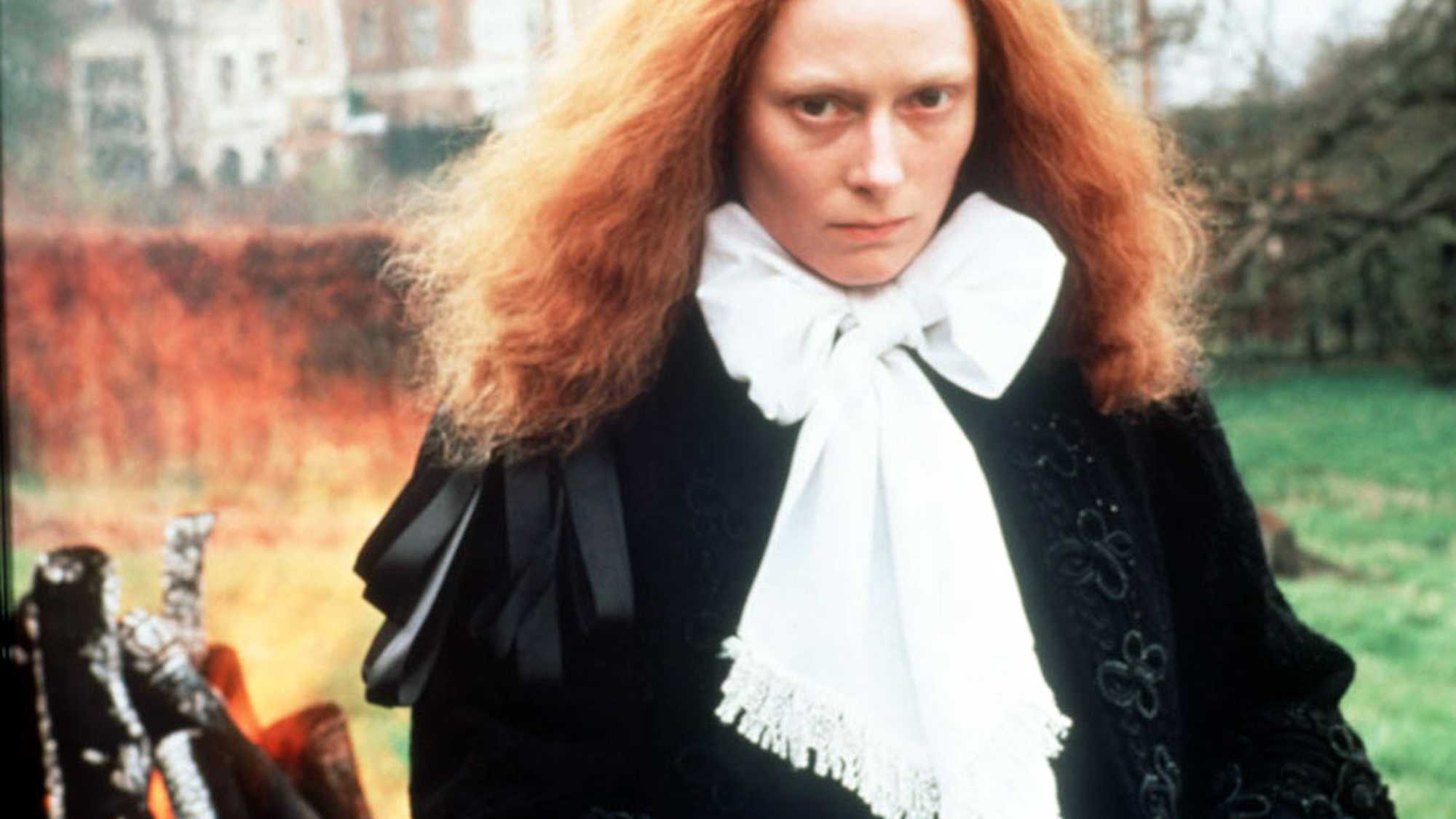
ORLANDO is quite a spectacular romp through 400 years of English history with Tilda Swinton as our tour guide.  She plays Orlando, a soft-faced young man who the queen loves enough to give him an estate, on condition that he never grow old.  So he does not. 

The costumes and the settings are lavish and the clearest indication of what historical period we are in, because Orlando tends to go against the grain of each period, pursuing his interests with utter passion and determination until he is struck by failure and moves on. 

It is theatrical but also so cinematic, what other medium could facilitate such an extravagant and unlikely a concept?  But it is Tilda Swinton who holds it all together with her dignified performance, wearing the costumes and moving through the moods as if it's all normal, staring at us through the camera when it surprises even her/Orlando. 


I came out of this film uplifted with the clever and light-hearted delight of a long life, carrying around 400 years of baggage, and letting it all go to pursue a new life in a new time.  Our greatest power, after being able to experience life intensely, is to let it all go and move on, ever-changing, ever-evolving, ever-growing creatures that we are.  Funny, spectacular and utterly delightful.

The Seen and the Unseen [2017] by Kamila Andini

The Seen and Unseen (image 1)

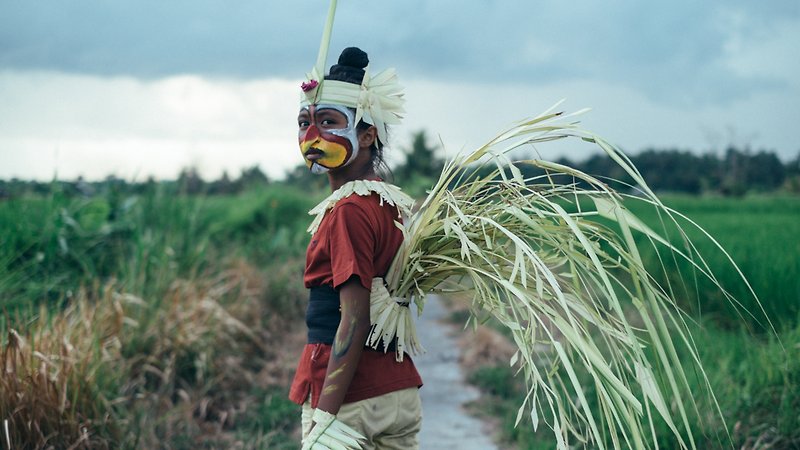
In The Seen and the Unseen a boy takes an egg from the offerings to the gods and then falls mysteriously degeneratively sick.  His twin sister wants to keep playing with him while he lies unconscious in the hospital bed.  She processes her defiance, her hope, her realisation and her grief through dance, denying his sickness, defying his sickness, dreaming, channeling the spirits and the animals.  The two worlds, the seen and the unseen, are painfully close, but painfully incompatible.

This is a strange and beautiful world, and this film is worth seeing simply because it is very much from a cultural context not our own.  Don't expect a narrative or a lot of stimulation, but expect gentle and embodied expression from this amazing little girl, sometimes corralling her brother to join her; costume, movement and grief without despair, channeled beautifully through the body and imagination of a child in touch with her Balinese cultural heritage.

Border [2018] by Ali Abbasi

Border (image 1)

An ugly woman working on border patrol has a strange talent for being able to smell fear and guilt on people, perfect for sniffing out who has too much duty-free alcohol.  But her talent, and her ugliness, is a mystery to her, until she meets someone who looks similar.  He likes roaming the forest and eating insects, and he has the clue to her peculiarity.

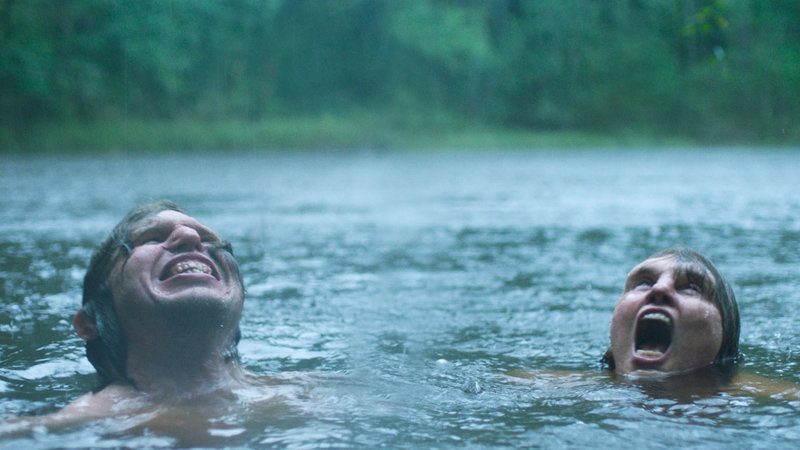
This film is fun, although it's not funny.  It is a genre film for people not dumb enough for most genre films.  Although it's dealing with trolls, mythical creatures of the European woods, there is something subversive about them roaming naked through the forest, encountering wildlife peacefully, eating insects, shrieking joyously in the river in the rain.  But the film always restrains itself, never reverting to sensationalism or sentimentality.  Always dry, always grounded and never giving in to the obvious pitfalls of genre convention.  Having said, this feels like it could be the start of a franchise, but let's hope not; let's hope that our myths are retold, as in this film, with integrity and feeling and not exploited to sell merchandise like the crap of the multiplex.

2018-07-30

Burning [2018] by Lee Chang-dong

Burning (image 1)

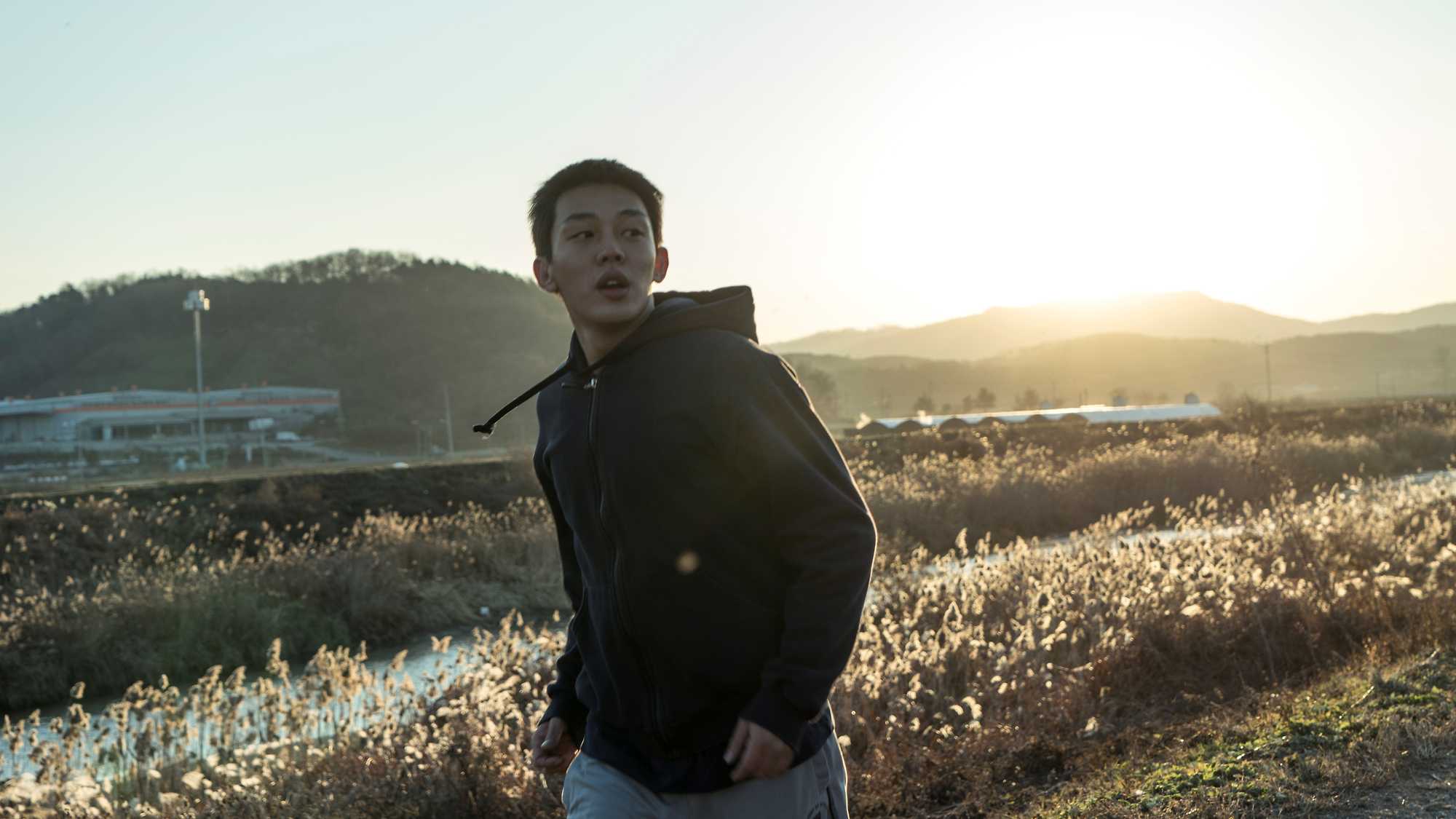
Burning is an extraordinarily involving and mysterious film.  It is difficult to critique a film that is more sophisticated than me.  I was masterfully drawn into a world I totally believed in, without irony, without sensation, the film remains totally grounded, even as the characters unravel.

Three characters whose lives become intertwined, almost by accident; Jongsu, a reserved young man, supposedly writing a book; Haemi, a passionate, unstable young woman who demands Jongsu's attention and then certainly maintains it; and Ben, a relaxed and self-assured rich man who becomes Haemi's companion, to Jongsu's consternation.

We can see the reverberation of Haruki Murakami's short story source material in the softness of the characters, the mysterious changes that life forces upon them.

2018-07-25

American Animals [2018] by Bart Layton

American Animals (image 3)

American Animals is a film that will subvert your expectations.  It plays with reality and it plays with fiction.  It is a documentary and it is a drama, maybe even a thriller.  It is about an art heist, but one performed by teenagers, and based on a true story.  It is very clever and very entertaining.

Ten years ago a small group of American college students decided to steal millions of dollars of rare books from their school library.  They were bored and wanted something interesting to happen in their lives finally.  They wanted to take a risk.

In this film we get to enjoy the best of both worlds.  We get the ten-years-later reflections of the four guys involved, told through very charming and candid interviews, and we see their story dramatically and thrillingly come to life, moment by moment.  Strong characters, both real and performed, are very engaging, and the complexities of the situation spread out from the original seed of their idea as the story progresses.  They are not psychopaths, which would have helped.  They are clever, but are they well organised?

This is the dramatic debut from the filmmaker behind the outrageously entertaining and surprising documentary The Imposter [2012], about a French man who posed as the three-years-lost son of an American family.  Again, he has managed to tell a crime story of peculiar humanity and complexity in a highly cinematic, striking and involving way.  This film even has Udo Kier.

AMERICAN ANIMALS subverts expectations, subverts the thriller genre and questions the truth of its own story in a very engaging and entertaining way. This real-life teenage art heist docu-drama plays at in Fri 27 July with .

Transit [2018] by Christian Petzold

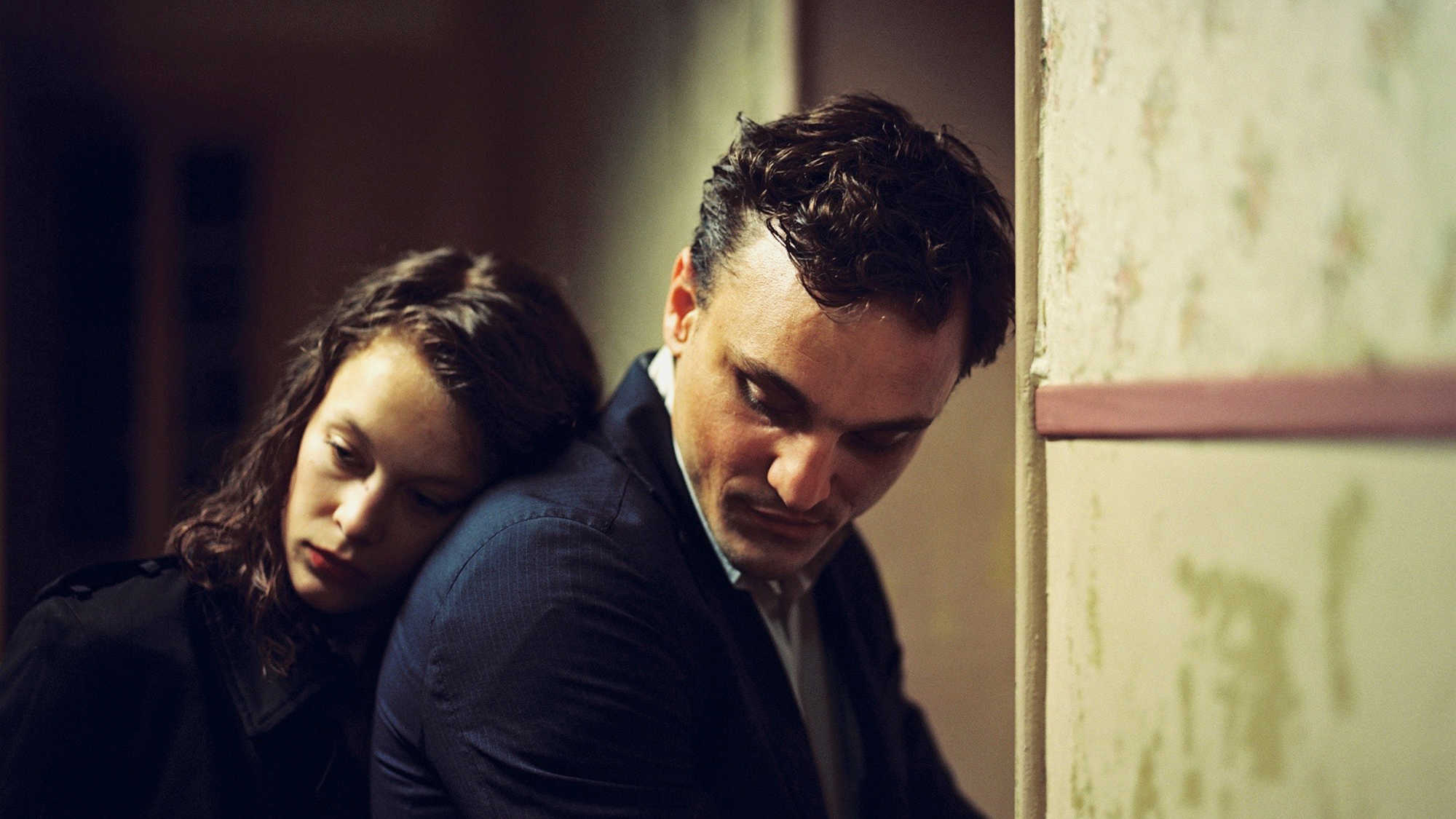
Transit (image 1)


TRANSIT is an involving drama, set during wartime but only concerned with a handful of characters. Like Casablanca, the characters are simply trying to obtain visas to get them out of occupied territory, and like Casablanca, it is full of love, passion, intrigue, big decisions and sudden unexpected shifts from the characters that make perfect sense as they reveal the undercurrents we didn't know were moving them. 

This film is not about the war, it is about relationships between people who just happen to encounter each other, who face the same predicament, and who choose whether or not to help, and whether or not to trust, each other.  It is convincingly performed, meticulously directed and a pleasure to experience. 

Ága [2018] by Milko Lazarov

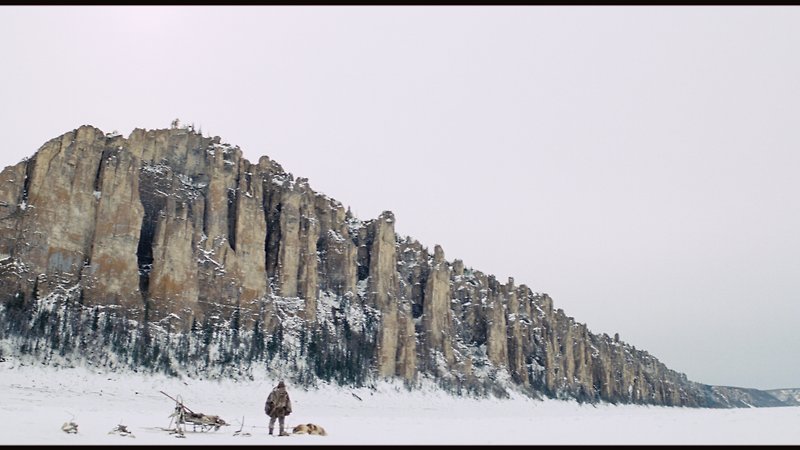
Ága (image 5)


In ÁGA, the old woman has a dream that she's walking with a polar bear who becomes a young man who takes her home with him, into a deep hole where all of the stars have been taken down from the sky into that bright dazzling hole where she forgets everything, who she is, where she came from and all the world outside. 


The daily life of this old Yakut couple in North Eastern Siberia is carefully documented, travelling via dogsled, fishing, trapping, making medicine, maintaining their yurt, as the world changes around them, helicopters pass overhead, their children have moved to the city, and yet they persist with calm resolution. 

The frozen landscape is exquisitely photographed and the tiny but complete world of these characters is a privilege to be invited into.  They live in a harsh environment, but they live their lives with sensitivity and patience.  The delicacy with which they communicate, tell stories and dream of the past is very moving.

This film really is spectacularly composed, the landscapes huge and cold and unforgiving, and movingly written and performed for the warmth and depth of the human element.

2018-07-24

The Cleaners [2018] by Hans Block and Moritz Riesewieck

THE CLEANERS is a very serious documentary about a very complex and deeply problematic subject and it offers no solutions. What right do major social media sites have to censor our expressions? What responsibilities do they have when their sites are being used to promote violence?

The film merely lays out the dangerous parameters of the situation, the massive influence that Facebook, Twitter and Google have on the world and how we communicate, and suggests there is some responsibility there regarding how that technology is being utilised. It is critical of these companies using economically marginalised and untrained Filipinos to do their vast editorial work.

I left the film much more uncertain of my position on the subject than when I went in.

Leto [2018] by Kirill Serebrennikov

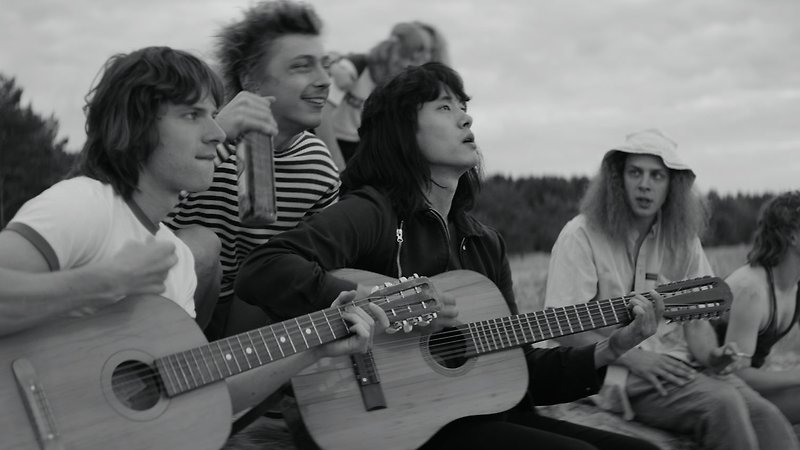
Leto (image 1)

LETO is about the surprising influence of UK and US punk and rock music on a scene of young Soviet musicians. Living under the oppressive watch of the USSR, but deeply passionate about the expressive possibilities of music, a group of charming young Russians, revolving around a rock music club that requires government appointed bureaucrats to approve all lyrics, manage to live the lives they want to live, slipping through the cracks and making great music; often in fantasy segments of defying authority that turn into musicals. The film goes down very easily, especially if you're into the music, but if only because of the pleasure of seeing lives lived well in difficult circumstances.

Strangely, the cinema was almost empty. Are there any fans out there of T-Rex, Lou Reed, David Bowie or Blondie? Or fans of Hedwig and the Angry Inch, another film about punk rock's influence beyond the iron curtain? Or fans of Once, that sweet fictional film about real musicians making music together? Or just good Russian cinema? (I'm in the latter boat.)

Plays again in Auckland Friday 27 July and Sunday 5 August and continues around the country.

2018-07-22

Maui's Hook [2018] by Paora Te Oti Takarangi Joseph

Māui’s Hook (image 3)

Maui's Hook is neither a documentary nor a drama, though it has elements of both.  In essence it is a conversation, and its intention is to provoke further conversation.  Suicide is epidemic in Aotearoa and it can damage families by sending shock waves through everyone involved.  The film is clear that it does not have all the answers, but there is one thing it can do: break the silence.  People don't talk about suicide because of shame and anger, but, as this film displays, talking openly with your loved ones is the first step towards healing from that trauma.

In the film, a group of whanau personally affected by suicide in their families embark on a hikoi together, a tour of marae from Taranaki, Whanganui, Rotorua, and Whangarei to Cape Reinga, to set the spirits free.  Meanwhile, a despairing young man contemplates suicide, without the support he needs.  Whanau are interviewed together as a group, and in one case this is the first time they have talked together about the suicide.

Aotearoa not only has the highest youth suicide rate in the world, but suicide is primary cause of death for Kiwis between ages 18-24.  The reasons for this are beyond the scope of the film, but it does make sense of one important element: the support of family and the openness to talk about what we are going through makes a significant difference to those affected by suicide who might be feeling isolated.