Naked and spectacular

Total pageviews

2018-08-03

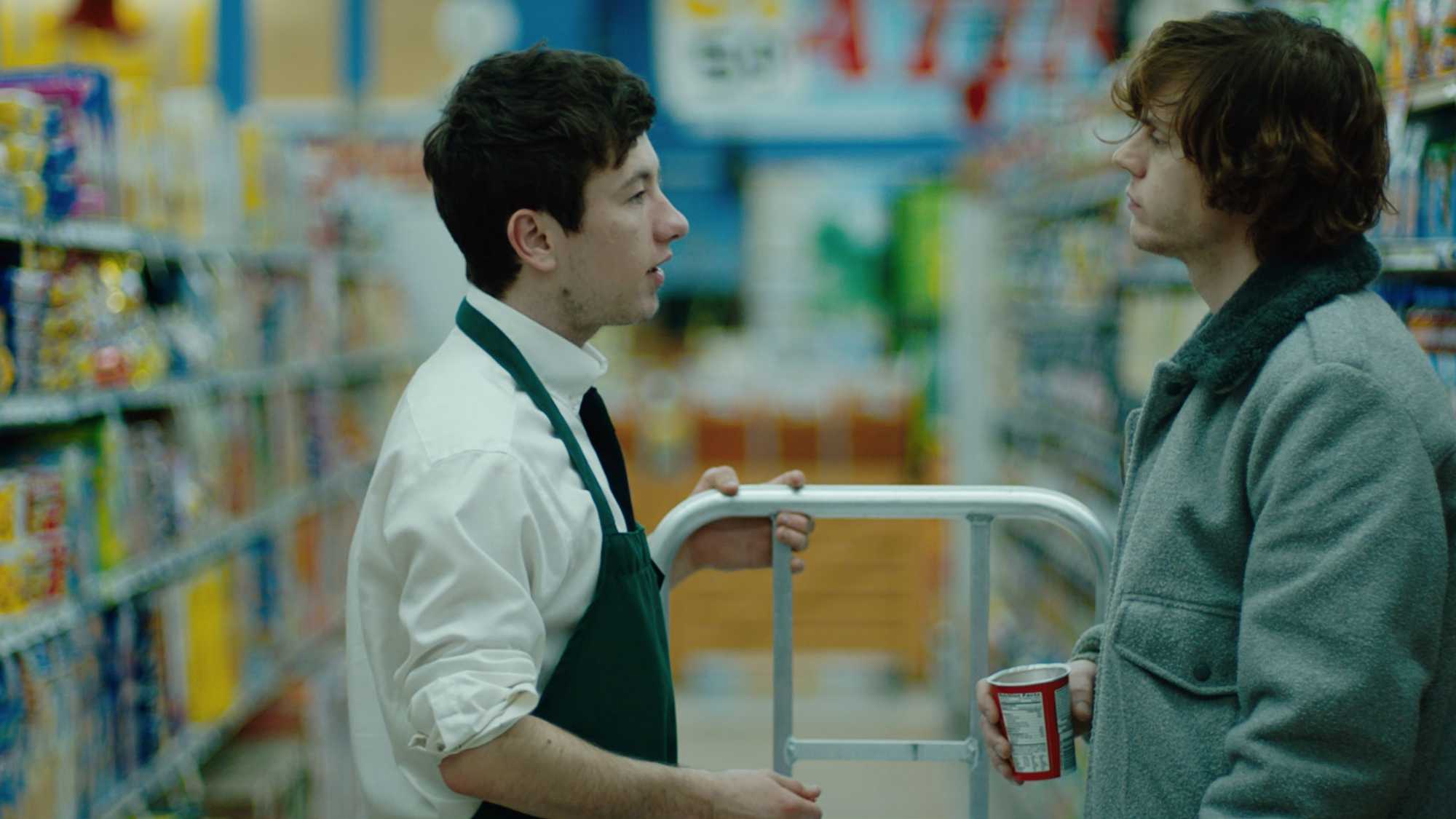
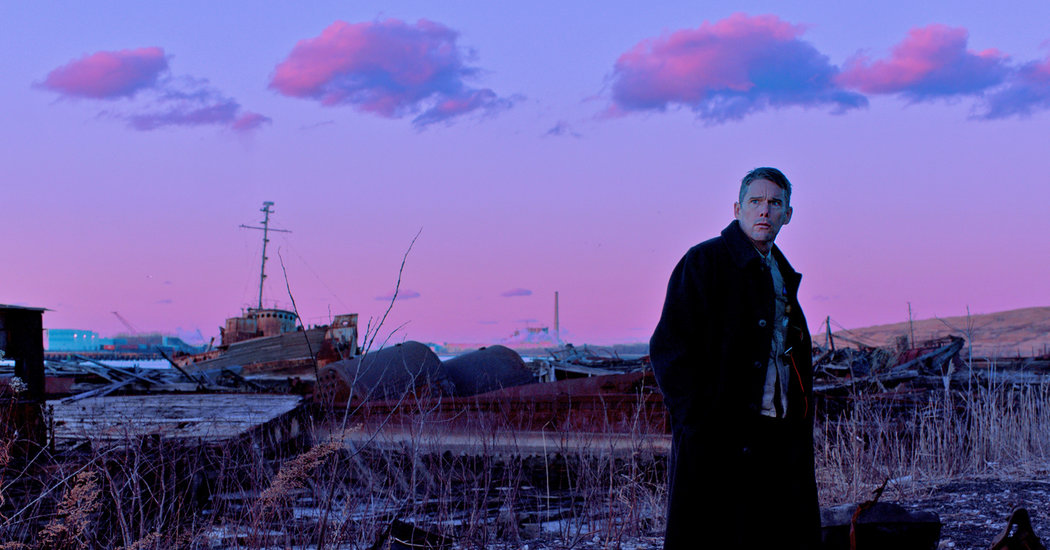
First Reformed [2017] by Paul Schrader

Image result for first reformed film

In 1976 Paul Schrader's script, made into the film Taxi Driver by Martin Scorsese, was released.  This was a powerful cinematic moment that reverberates into the present.  Last year, Lynne Ramsey's You Were Never Really Here covers similar ground; a broken isolated man uses extreme violence to liberate a child from sexual exploitation.  It was hailed by critics, particularly for Joaquin Phoenix's deserving performance, but for me it lacked truth.  It wanted to deal with the real stuff, the difficult stuff, like Taxi Driver had, or at least it wanted to give that impression.  It showed an unequivocal evil, child sex slavery, something that would justify the extreme violence perpetrated by the film's hero in the process of liberating a particular child.  But what was it really confronting?  The violence that perpetuates violence that justifies violence, a violent man damaged by violence who commits violence to stop violence.  Meanwhile, we the audience, who may not yet have been damaged by violence, are exposed to it.  To what end?  Is it artistically rooted, philosophically grounded, ethically justified?  Is this film really the modern installment of the true wake-up call that Taxi Driver delivered?  No, it is not.

In 2017, 40 years after Taxi Driver, Paul Schrader offers a film of equal weight, difficulty and integrity.  It may not have the same stylistic originality as Taxi Driver, but at its core it is the film's contemporary incarnation.  Ethan Hawke inhabits his character at least as fully as Robert De Niro did his.  He is Reverend Toller of First Reformed, 250 years old, a museum but not really any longer a church.  Abundant Life, with seating for 5000, is the local affiliated modern church, with a full congregation and corporate sponsorship.  Toller is asked by a woman to speak to her husband, an environmental activist overwhelmed with the destruction of the world and in despair at the prospects of the future, particularly about bringing a child into the world, as his wife is pregnant.  Toller finds the conversation very stimulating and in his own emptiness he takes on the man's vision, his disgust and his despair.

The delicate complexities of the situation are woven through the richly portrayed character of Reverend Toller, his internalisation of this despair and his response.  How does one choose to live in the world, engage with the world, having fully accepted that our culture is destroying the planet at a rapid rate.  Will God forgive us?  Or, more importantly, how do we choose to respond ourselves?  There is no prescription of course, there is no naive hope nor unrelenting despair offered, just the masterfully laid out texture of an intricate spread: what Toller sees, what he doesn't see, what is obvious, what is bewildering.  And how do we choose to respond?  With integrity?  What does that involve?  With denial?  What crutch will facilitate that?

In Taxi Driver we were presented with Travis Bickle's solution: kill all the people associated with this girl's sexual exploitation and take her out of the situation.  We saw this violence in graphic detail not to revel in it, not to be entertaining or give the film a gritty realism, but to see it for what it is.  If this is the solution, we need to look hard at it before we choose it.  You Were Never Really Here is an inferior film because it doesn't present the protagonist's response so dryly that we can see it for what it is, it presents it like a thriller, we are there with him, smashing skulls, saving the girl, being the hero, surprised by the plot twists along with him.  There is no philosophical complexity, no ethical integrity.  But in First Reformed we are presented with a situation - repugnant, complex, problematic - and although we have deep empathy for Toller and can relate to his anguish, we are not drawn into his psyche, we can see his strengths, we can see his faults.  We can see his thinking, we can see the solutions he has reached, we can map and trace his mistakes if we choose to.  We can contextualise his decisions.  And thus we have not an easy answer nor a nihilistic despair, but a complex tapestry, an invitation to engage, to think and feel, to make our own decisions; we have an extraordinary central performance and a masterful film.

2018-07-31

Orlando [1992] by Sally Potter

Orlando (image 4)

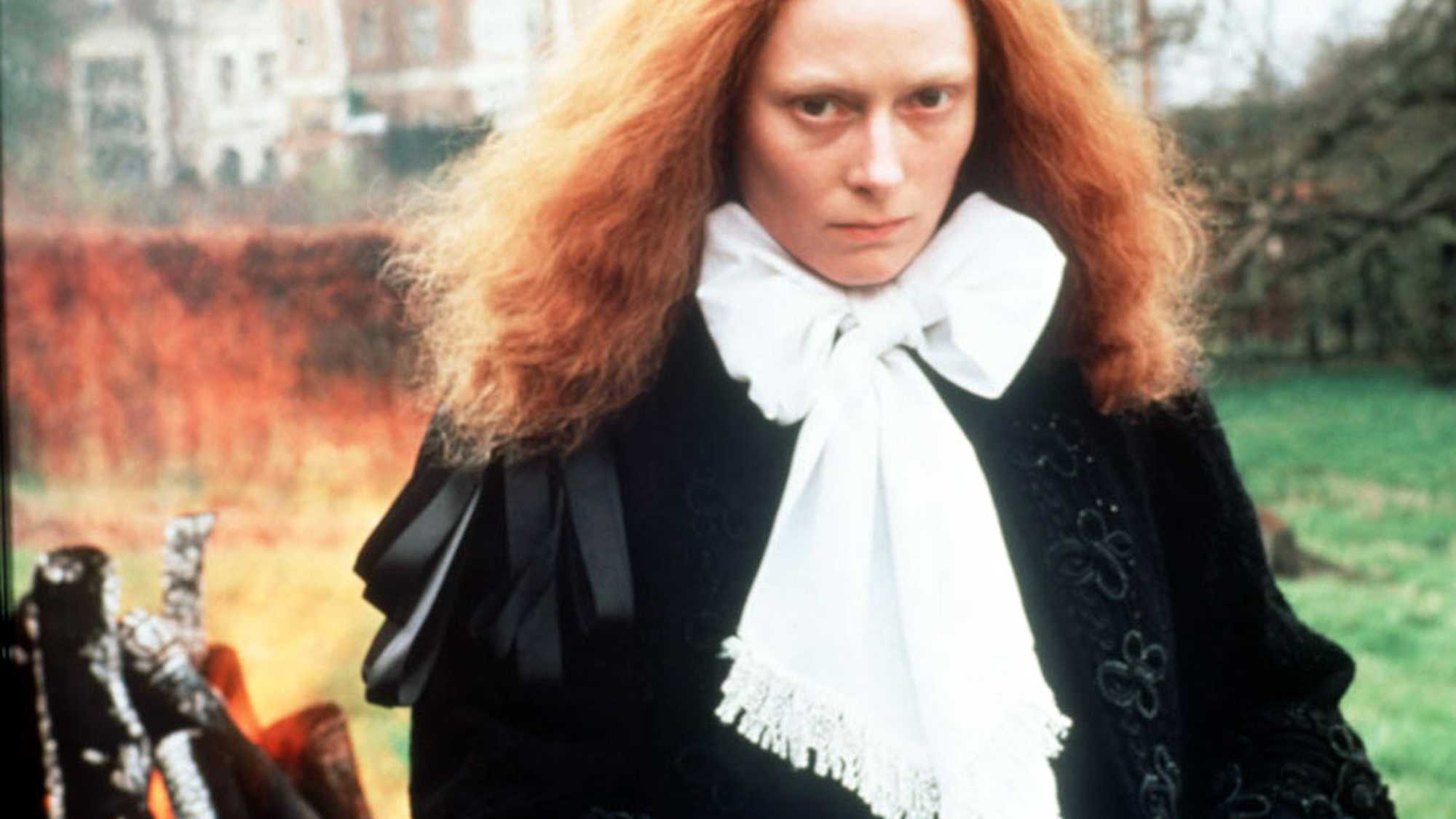
ORLANDO is quite a spectacular romp through 400 years of English history with Tilda Swinton as our tour guide.  She plays Orlando, a soft-faced young man who the queen loves enough to give him an estate, on condition that he never grow old.  So he does not. 

The costumes and the settings are lavish and the clearest indication of what historical period we are in, because Orlando tends to go against the grain of each period, pursuing his interests with utter passion and determination until he is struck by failure and moves on. 

It is theatrical but also so cinematic, what other medium could facilitate such an extravagant and unlikely a concept?  But it is Tilda Swinton who holds it all together with her dignified performance, wearing the costumes and moving through the moods as if it's all normal, staring at us through the camera when it surprises even her/Orlando. 


I came out of this film uplifted with the clever and light-hearted delight of a long life, carrying around 400 years of baggage, and letting it all go to pursue a new life in a new time.  Our greatest power, after being able to experience life intensely, is to let it all go and move on, ever-changing, ever-evolving, ever-growing creatures that we are.  Funny, spectacular and utterly delightful.

The Seen and the Unseen [2017] by Kamila Andini

The Seen and Unseen (image 1)

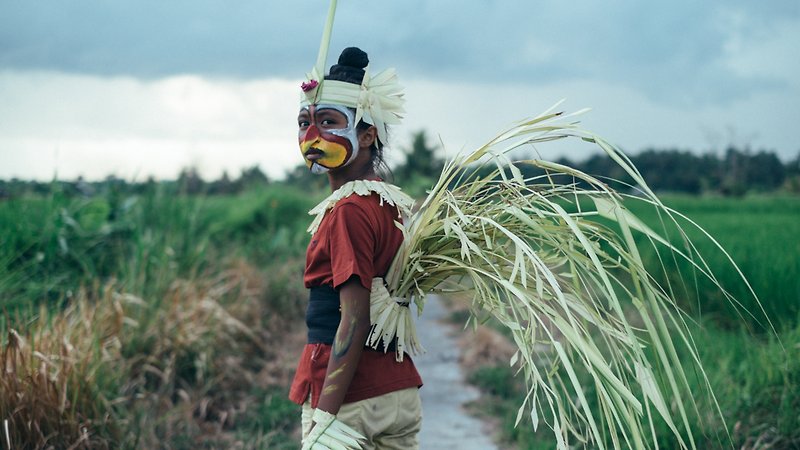
In The Seen and the Unseen a boy takes an egg from the offerings to the gods and then falls mysteriously degeneratively sick.  His twin sister wants to keep playing with him while he lies unconscious in the hospital bed.  She processes her defiance, her hope, her realisation and her grief through dance, denying his sickness, defying his sickness, dreaming, channeling the spirits and the animals.  The two worlds, the seen and the unseen, are painfully close, but painfully incompatible.

This is a strange and beautiful world, and this film is worth seeing simply because it is very much from a cultural context not our own.  Don't expect a narrative or a lot of stimulation, but expect gentle and embodied expression from this amazing little girl, sometimes corralling her brother to join her; costume, movement and grief without despair, channeled beautifully through the body and imagination of a child in touch with her Balinese cultural heritage.

Border [2018] by Ali Abbasi

Border (image 1)

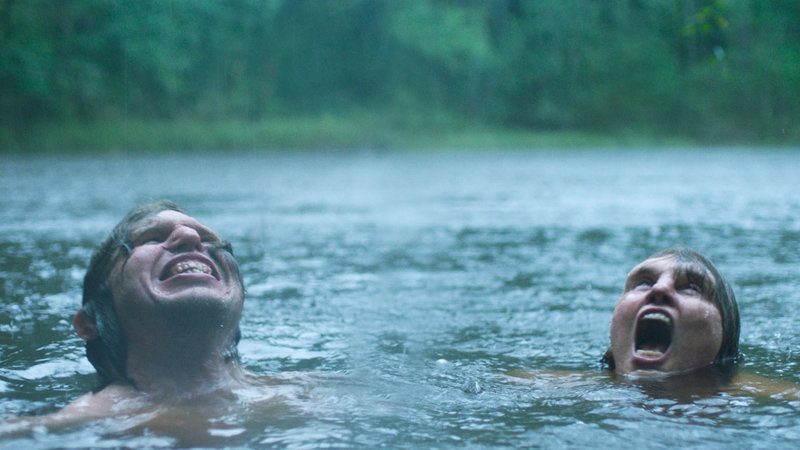
An ugly woman working on border patrol has a strange talent for being able to smell fear and guilt on people, perfect for sniffing out who has too much duty-free alcohol.  But her talent, and her ugliness, is a mystery to her, until she meets someone who looks similar.  He likes roaming the forest and eating insects, and he has the clue to her peculiarity.

This film is fun, although it's not funny.  It is a genre film for people not dumb enough for most genre films.  Although it's dealing with trolls, mythical creatures of the European woods, there is something subversive about them roaming naked through the forest, encountering wildlife peacefully, eating insects, shrieking joyously in the river in the rain.  But the film always restrains itself, never reverting to sensationalism or sentimentality.  Always dry, always grounded and never giving in to the obvious pitfalls of genre convention.  Having said, this feels like it could be the start of a franchise, but let's hope not; let's hope that our myths are retold, as in this film, with integrity and feeling and not exploited to sell merchandise like the crap of the multiplex.

2018-07-30

Burning [2018] by Lee Chang-dong

Burning (image 1)

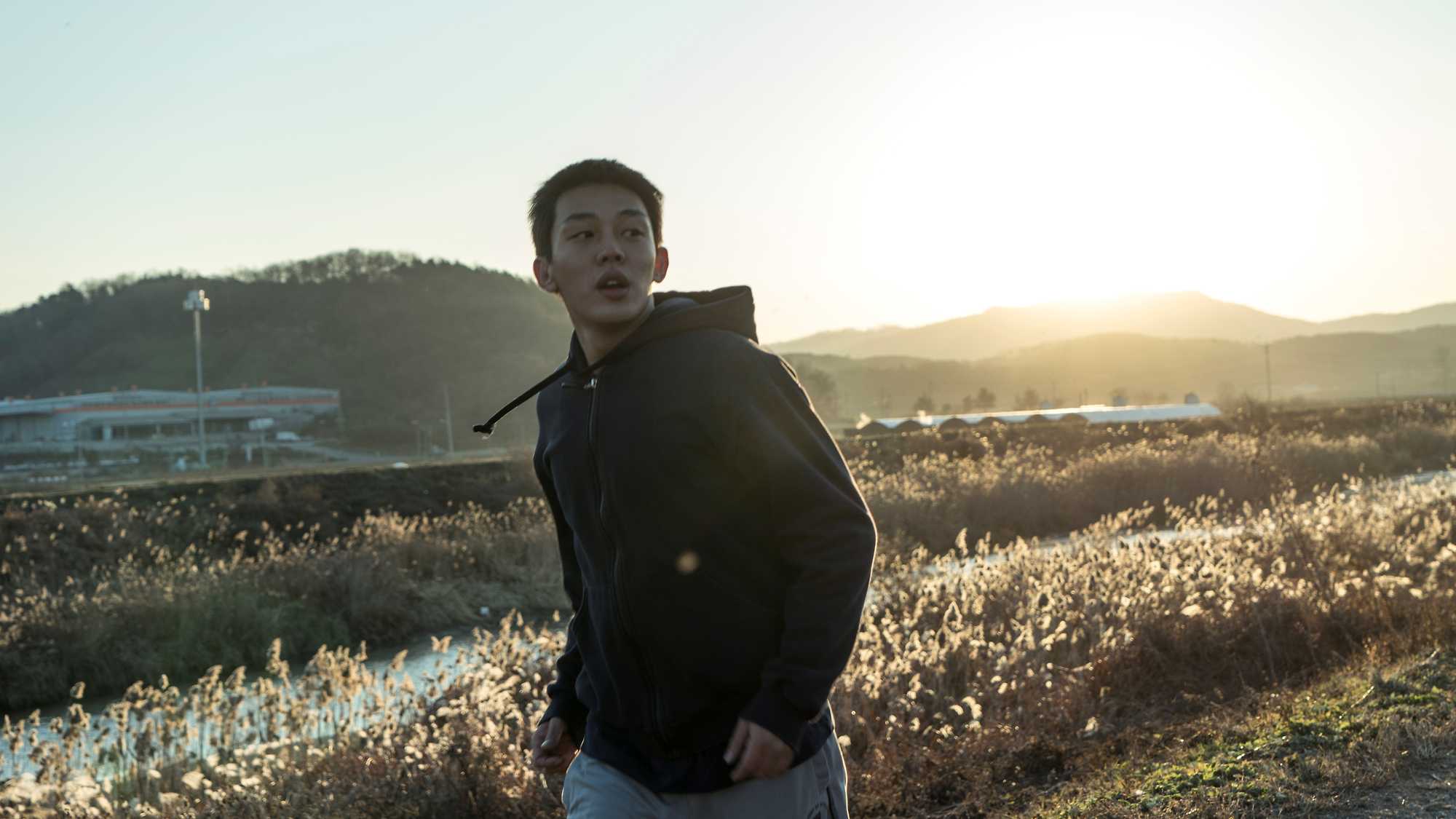
Burning is an extraordinarily involving and mysterious film.  It is difficult to critique a film that is more sophisticated than me.  I was masterfully drawn into a world I totally believed in, without irony, without sensation, the film remains totally grounded, even as the characters unravel.

Three characters whose lives become intertwined, almost by accident; Jongsu, a reserved young man, supposedly writing a book; Haemi, a passionate, unstable young woman who demands Jongsu's attention and then certainly maintains it; and Ben, a relaxed and self-assured rich man who becomes Haemi's companion, to Jongsu's consternation.

We can see the reverberation of Haruki Murakami's short story source material in the softness of the characters, the mysterious changes that life forces upon them.

2018-07-25

American Animals [2018] by Bart Layton

American Animals (image 3)

American Animals is a film that will subvert your expectations.  It plays with reality and it plays with fiction.  It is a documentary and it is a drama, maybe even a thriller.  It is about an art heist, but one performed by teenagers, and based on a true story.  It is very clever and very entertaining.

Ten years ago a small group of American college students decided to steal millions of dollars of rare books from their school library.  They were bored and wanted something interesting to happen in their lives finally.  They wanted to take a risk.

In this film we get to enjoy the best of both worlds.  We get the ten-years-later reflections of the four guys involved, told through very charming and candid interviews, and we see their story dramatically and thrillingly come to life, moment by moment.  Strong characters, both real and performed, are very engaging, and the complexities of the situation spread out from the original seed of their idea as the story progresses.  They are not psychopaths, which would have helped.  They are clever, but are they well organised?

This is the dramatic debut from the filmmaker behind the outrageously entertaining and surprising documentary The Imposter [2012], about a French man who posed as the three-years-lost son of an American family.  Again, he has managed to tell a crime story of peculiar humanity and complexity in a highly cinematic, striking and involving way.  This film even has Udo Kier.

AMERICAN ANIMALS subverts expectations, subverts the thriller genre and questions the truth of its own story in a very engaging and entertaining way. This real-life teenage art heist docu-drama plays at in Fri 27 July with .

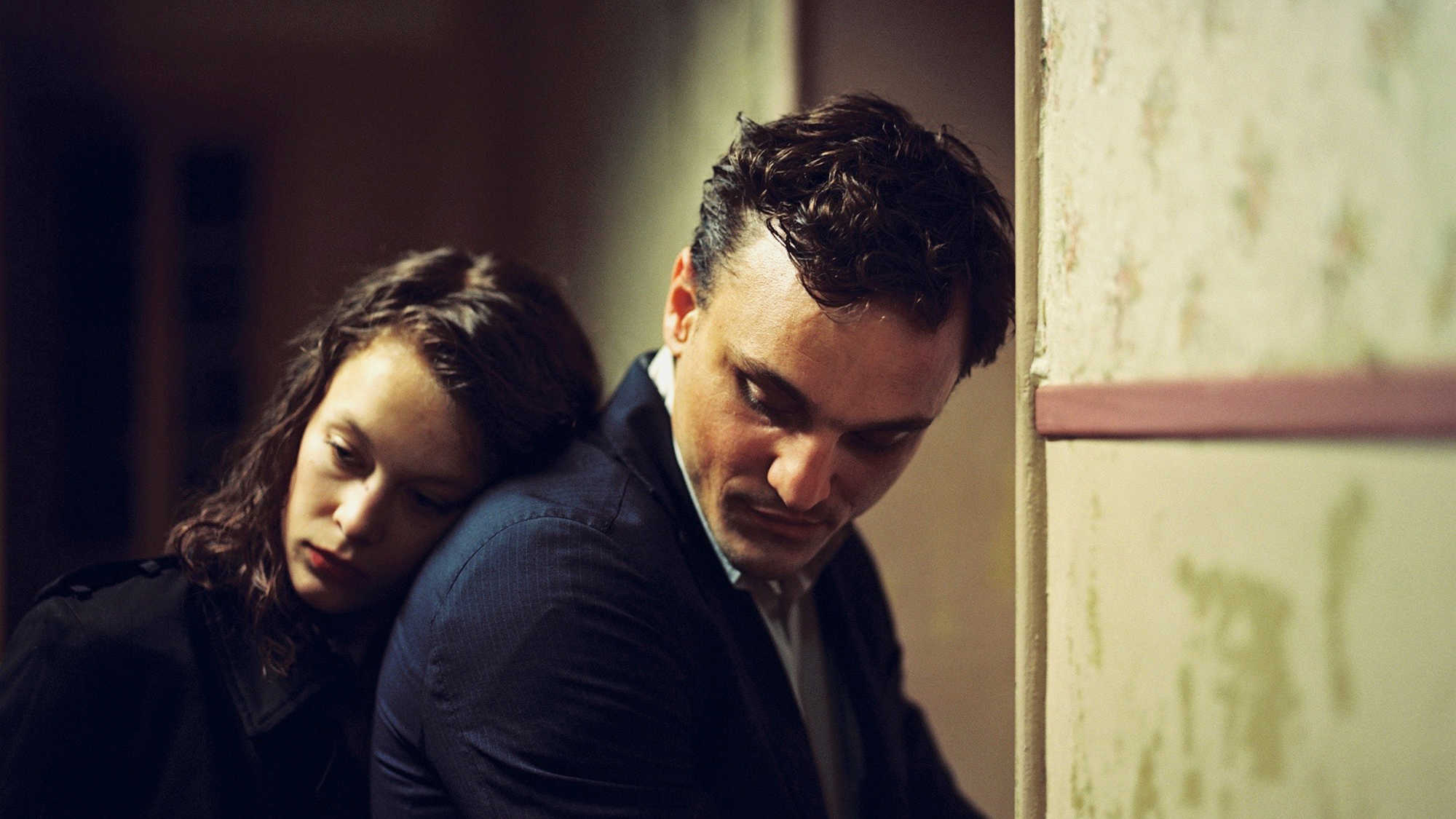
Transit [2018] by Christian Petzold

Transit (image 1)


TRANSIT is an involving drama, set during wartime but only concerned with a handful of characters. Like Casablanca, the characters are simply trying to obtain visas to get them out of occupied territory, and like Casablanca, it is full of love, passion, intrigue, big decisions and sudden unexpected shifts from the characters that make perfect sense as they reveal the undercurrents we didn't know were moving them. 

This film is not about the war, it is about relationships between people who just happen to encounter each other, who face the same predicament, and who choose whether or not to help, and whether or not to trust, each other.  It is convincingly performed, meticulously directed and a pleasure to experience. 

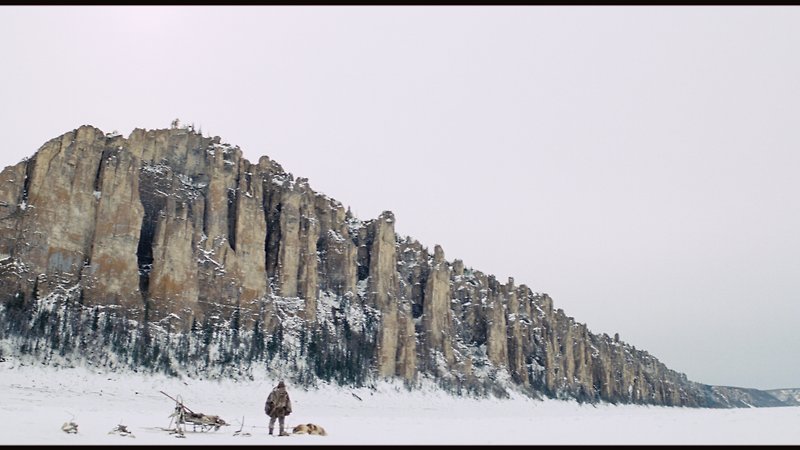
Ága [2018] by Milko Lazarov

Ága (image 5)


In ÁGA, the old woman has a dream that she's walking with a polar bear who becomes a young man who takes her home with him, into a deep hole where all of the stars have been taken down from the sky into that bright dazzling hole where she forgets everything, who she is, where she came from and all the world outside. 


The daily life of this old Yakut couple in North Eastern Siberia is carefully documented, travelling via dogsled, fishing, trapping, making medicine, maintaining their yurt, as the world changes around them, helicopters pass overhead, their children have moved to the city, and yet they persist with calm resolution. 

The frozen landscape is exquisitely photographed and the tiny but complete world of these characters is a privilege to be invited into.  They live in a harsh environment, but they live their lives with sensitivity and patience.  The delicacy with which they communicate, tell stories and dream of the past is very moving.

This film really is spectacularly composed, the landscapes huge and cold and unforgiving, and movingly written and performed for the warmth and depth of the human element.

2018-07-24

The Cleaners [2018] by Hans Block and Moritz Riesewieck

THE CLEANERS is a very serious documentary about a very complex and deeply problematic subject and it offers no solutions. What right do major social media sites have to censor our expressions? What responsibilities do they have when their sites are being used to promote violence?

The film merely lays out the dangerous parameters of the situation, the massive influence that Facebook, Twitter and Google have on the world and how we communicate, and suggests there is some responsibility there regarding how that technology is being utilised. It is critical of these companies using economically marginalised and untrained Filipinos to do their vast editorial work.

I left the film much more uncertain of my position on the subject than when I went in.